
Advocating for systemic change
5Rights has a unique track record of shaping policies, regulations and tools that ensure the digital world is built for children and young people, by design and default.

A strong global framework
5Rights played a pivotal role in the development of General comment No. 25, which sets out how the Convention on the Rights of the Child applies in the digital environment. Leading broad coalitions and working directly with policy-makers, we shape numerous global and regional multilateral legal and political frameworks, strategies and tools to implement robust and consistent global norms.
“Legislation and binding guidelines are needed to create a secure context where children can learn how to use technology without fear”
Lucia, 14
“Everyone should know and understand what of their own data is out there, how it’s used and how to protect it”
Annisa, 15
Enforceable regulation
5Rights has worked with legislators and regulators around the world to develop, pass and implement comprehensive protections for children’s privacy and safety online. The groundbreaking UK Age Appropriate Design Code has inspired similar legislation from Jakarta to California, while its core principles have been integrated in broader laws with global impact such as the EU’s Digital Services Act and AI Act.
Institutional capacity-building
To support systemic, exponential and sustainable change, 5Rights invests heavily in capacity-building, supporting government institutions as well as civil society around the world, and in particular in the Global Majority.
“In a perfect digital world, I envision an environment that doesn’t merely prohibit children and youth as a quick fix, but a safe digital world”
Eric, 19
In focus
View all

Our work around the world
5Rights is globally active. In addition to our US, UK, Europe and Global Multilateral programmes, we run projects across Asia, Africa, Latin and North America.

United Kingdom
The UK, where 5Rights was founded, has pioneered digital regulation for children. With the world’s first enforceable Age Appropriate Design Code signed into law in 2020, complemented by the Online Safety Act in 2023, it is a key testing ground for policy innovation, and implementation.

European Union
The EU is a global normative and regulatory powerhouse. Its data protection regulation, the GDPR, underpins the Age Appropriate Design Code, whereas the Digital Services Act and AI Act have the potential to fundamentally reshape digital design norms for children.

United States
American companies created the internet as children know it today, and the US still hosts many of the world’s most innovative and powerful tech companies. Strengthening US regulation and working with the country’s dynamic industry ecosystem are critical to driving change for children everywhere.

Global
Children everywhere use the same tech, face the same problems, and have the same rights. A global, equitable, solution is needed. From the UN to the African Union, from Jackarta to Buenos Aires and Ottawa, a coherent body of global standards and best practices is taking shape with our support.
Latest
View all
Three years on from the Online Safety Act: lawfare and the need for robust enforcement
Today marks the three-year anniversary of the UK’s Online Safety Act receiving Royal Assent. How have things changed for UK children?

Canada introduces landmark Children’s Privacy Code, but gaps in accountability remain
The Canadian Children’s Privacy Code marks a significant step towards protecting children’s rights and privacy in the digital world. While the Code sets out strong expectations for digital services, its limited enforceability highlights the need for further action.

The return of Chat Roulette? New study reveals risks of app marketed to teens but open to strangers
A new case study by 5Rights Foundation reveals how Walkie Talkie – All Talk exposes children to adult strangers online, raising questions about the app’s approach to children’s safety.
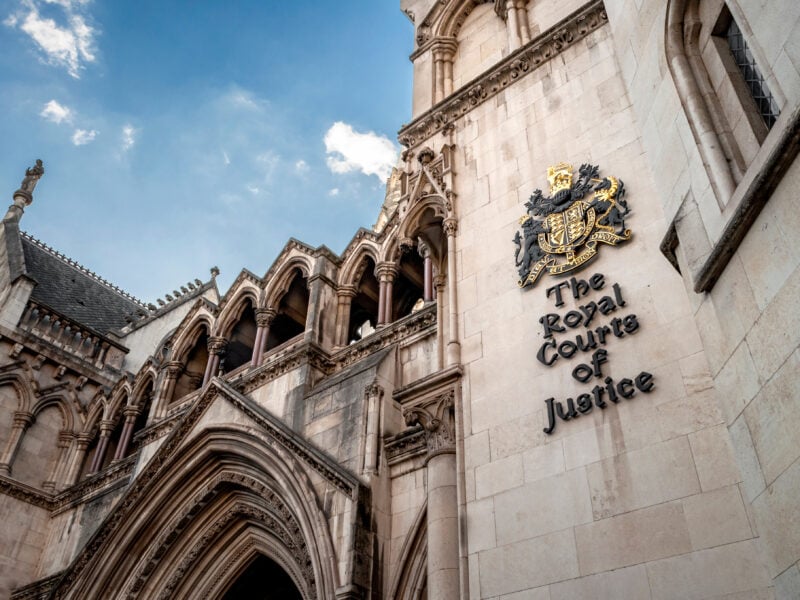
Ofcom v Meta: 5Rights to argue for credible deterrent in landmark high court hearing
As Meta challenges Ofcom in the High Court today, 5Rights Foundation warns that the outcome could have far-reaching consequences for online safety regulation in the UK and beyond.