
United States of America
5Rights’ work has sparked and inspired a wave of initiatives across the US for the online privacy and safety of American young people.

Overview
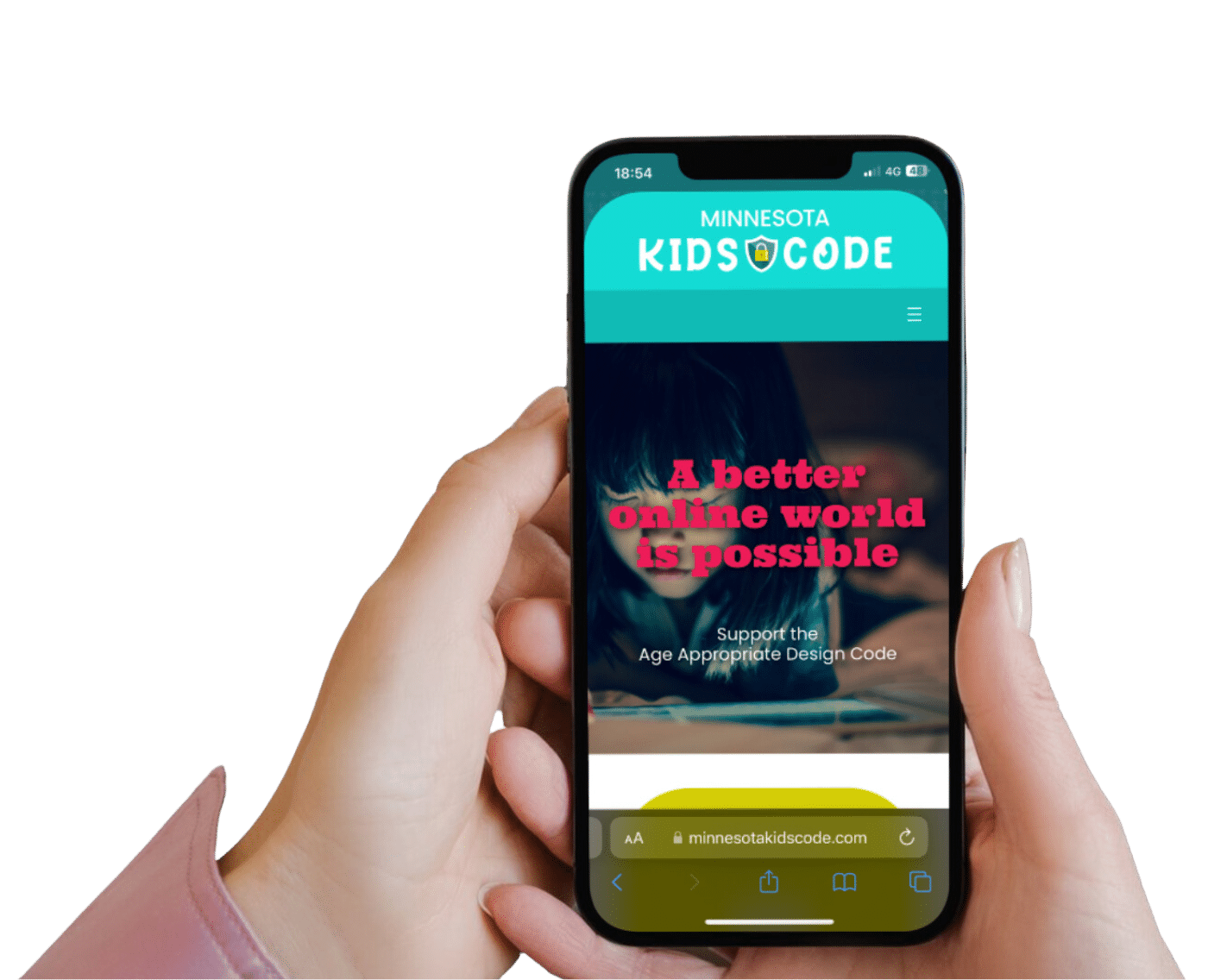
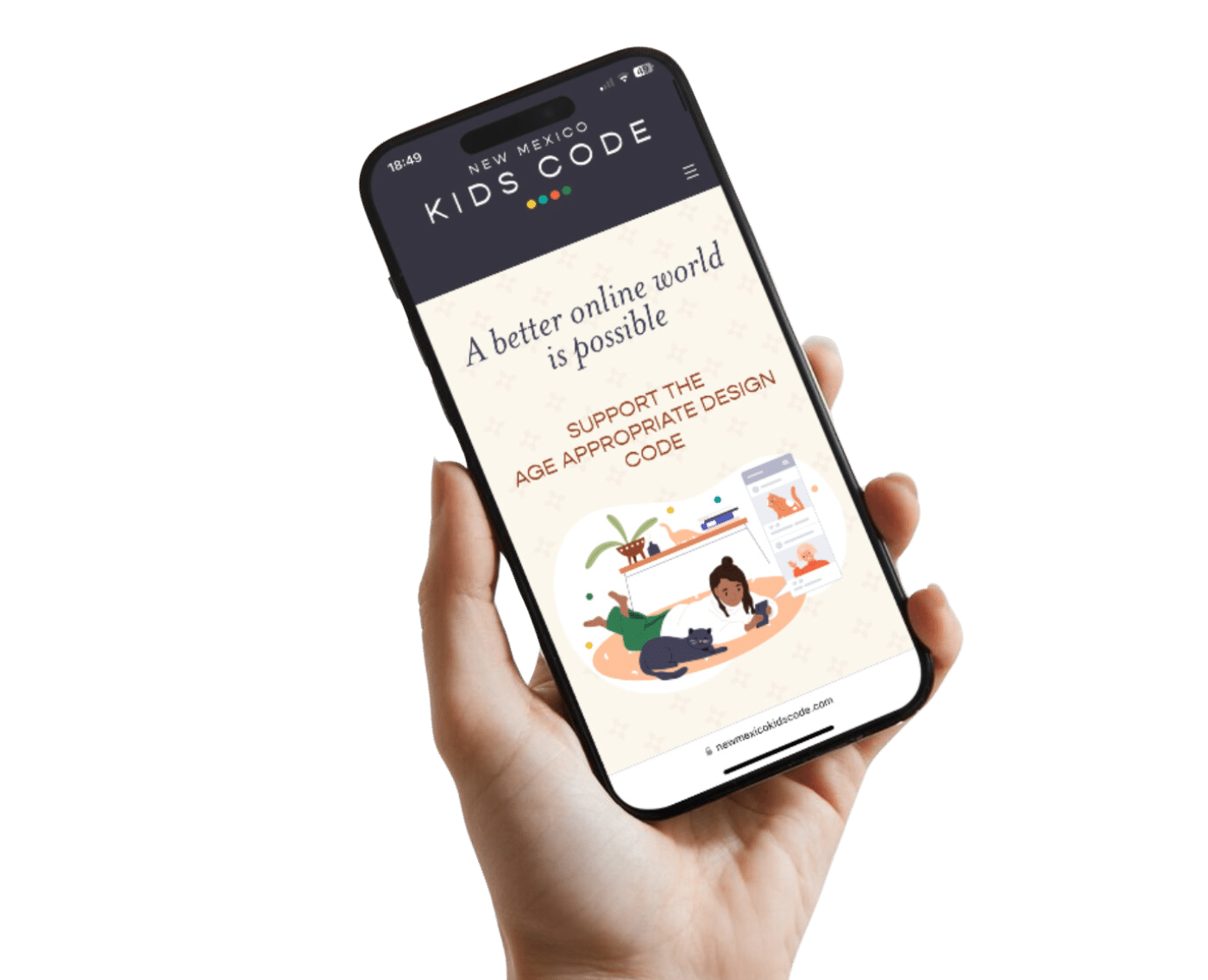
American companies created the internet as children know it today, and the US still hosts many of the world’s most innovative and powerful tech companies. Strengthening US regulation and working with the country’s dynamic industry ecosystem are critical to driving change for children everywhere. Across the US, more and more policy makers, regulators, children, experts and advocates are recognising the critical need for privacy and safety by design and default for children – the Kids Code Coalition is now active in 16 states, bringing together a broad alliance of organisations to advance Age-Appropriate Design Code legislation.
“It is easy to feel powerless when you find out that companies like Google are using our data to sell them to third parties”
Jack, 14
Children’s experiences
The 75 million children and teens in the US are world leaders in tech consumption and ahead of the curve in experiencing its impact. An overwhelming majority of teenagers in the US report checking messages or notifications as soon as they appear, and many feel anxious when they don’t have their phones. Nearly half of US teens have been bullied or harassed online and suicide rates have continued to increase. Recently, teen girls have also had to confront a surge of deepfake nudes in schools while young boys are more and more affected by sextortions schemes.
Our work in the US
Working with a wide multi-stakeholder coalition, 5Rights is leading the charge to make the digital world safer for children in the US, raising awareness of children’s rights and international best practice. In 2022, we sponsored California’s groundbreaking Age Appropriate Design Code (AADC), which passed with unanimous support. This landmark bill has already inspired similar bills in several other states, including the Maryland Kids Code.
In focus
View all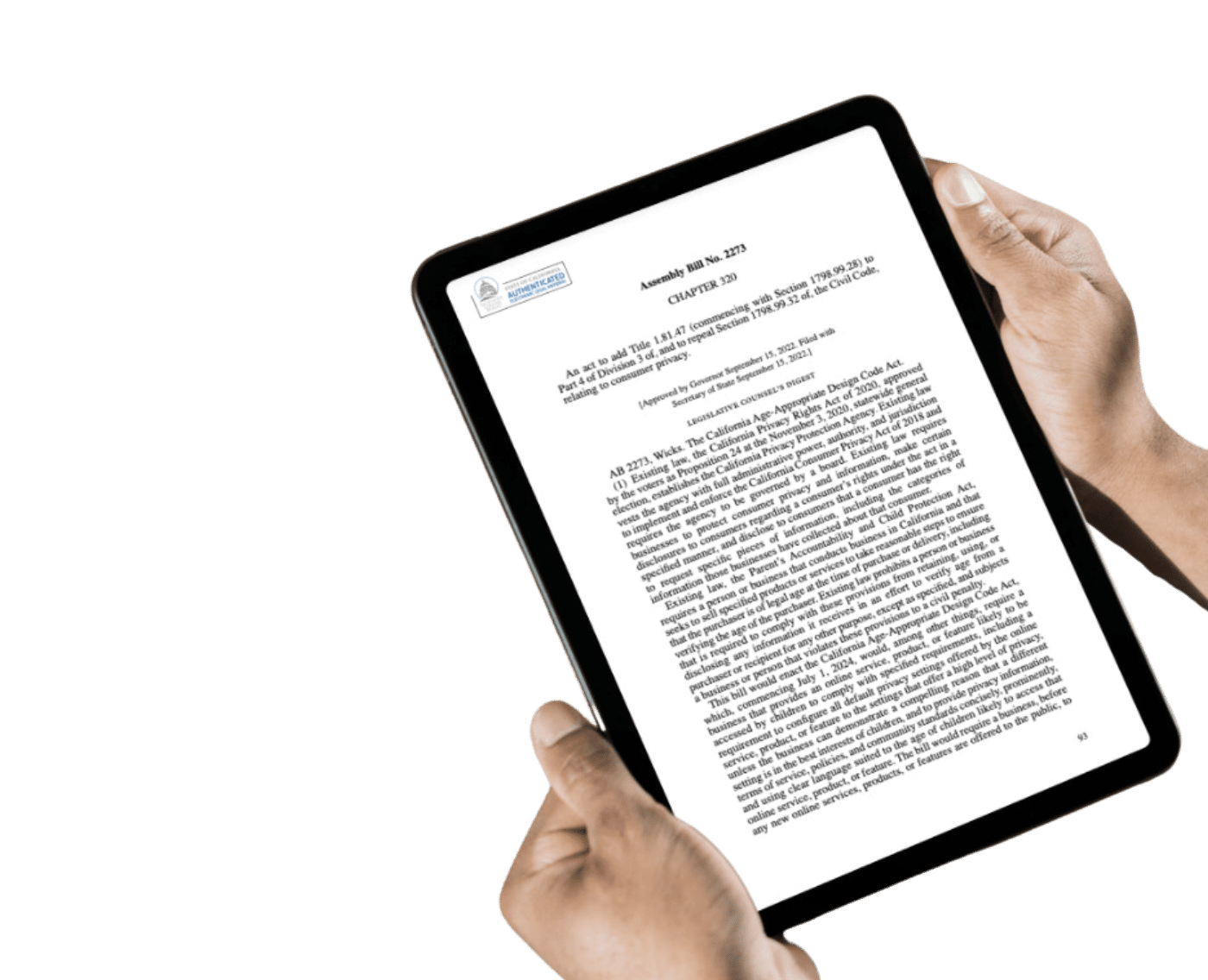






Latest
View all
US courts and lawmakers are telling tech companies that safety by design is not optional
From TikTok’s court loss to Meta’s $17 billion settlement, US courts and states are forcing tech companies to make child safety a design requirement, not an afterthought.

Meta settles in landmark child safety trial but stops short of meaningful default improvements
Facing a landmark trial over child safety, Meta agreed to pay close to $17 billion but the settlement leans on access restrictions and optional features, rather than fixing the engagement-driven design at the root of the harm by default.

More than half of US States sue Meta over addictive design practices
As over half of US States take Meta to court, evidence is mounting that Instagram and Facebook weren’t just careless with children’s safety but deliberately designed to be addictive.
New Jersey becomes latest US state to adopt an Age-Appropriate Design Code
New Jersey has adopted an Age-Appropriate Design Code, strengthening protections for children online and adding to the growing momentum for safety by design across the US.