
Europe
5Rights works in the UK, where it was founded, with European institutions as well as the European standard organisation and the Council of Europe to ensure children’s online experiences are safe by design across the region.

Overview
Our work in Europe spans the UK, where 5Rights was founded, but also includes engaging with European institutions, EU member states, and national regulators, as well as collaborating with CEN-CENELEC as the European standard organisation. We also work closely with other intergovernmental institutions, such as the Council of Europe, and civil society organisations across the region.
“I envision a digital word for young people as a place where there’s no discrimination, where it’s safe to give a child my phone to watch YouTube knowing no weird adds will pop up.”
Sam, 13
Children’s experiences
In Europe, 97% of children over 3 are online, and over 81 million children interact with digital products every day — games, social platforms, apps, learning tools. Over a third (36%) of young people in Europe reported constant contact with friends online, with the highest rates among 15-year-old girls (44%). A third (34%) of adolescents play digital games daily, with more than 1 in 5 (22%) playing for at least 4 hours on days when they engage in gaming. In the UK, 4 in 10 adolescents think that their screentime is too high. Consistently, around half of children worry they are addicted to their devices.
As children demand more privacy, safety, and less intrusive services and products, 5Rights works hard to ensure that digital spaces offer age-appropriate experiences that respect children’s rights and cognitive development.
Our work in Europe
The EU is at the forefront of regulating the online environment with legislation such as the GDPR, the DSA and the AI Act. Together with our civil society partners, we work to strengthen existing regulatory frameworks and advocate for adequate consideration of children by decision-makers, national regulatory authorities and European institutions. These advocacy efforts have contributed to securing an obligation to ensure a high level of privacy, safety and security on online platforms for minors, prohibitions of manipulative and exploitative AI systems and a ban on targeted advertising.
5Rights also works with the Council of Europe to ensure that children’s rights and AI governance are developed hand in hand. An important milestone was reached in May 2024 with the adoption of the Council of Europe Framework Convention on Artificial Intelligence, Human Rights, Democracy and the Rule of Law. The Convention includes a dedicated clause on children’s rights, with its explanatory report referencing General Comment No. 25 and the principle of safety by design.
5Rights is now supporting the development of a Child Rights Impact Assessment (CRIA) methodology for AI systems, aiming to embed key child rights principles as set out in General comment No. 25.
Latest
View all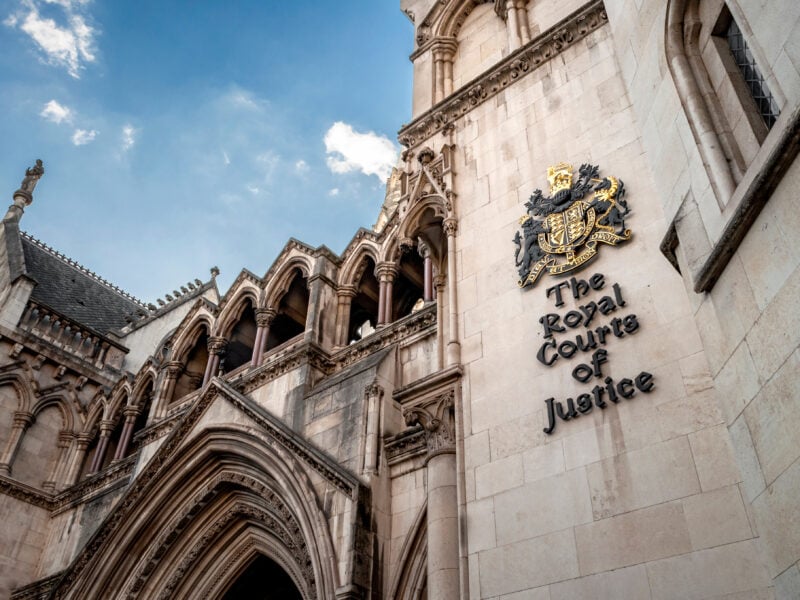
Ofcom v Meta: 5Rights to argue for credible deterrent in landmark high court hearing
As Meta challenges Ofcom in the High Court today, 5Rights Foundation warns that the outcome could have far-reaching consequences for online safety regulation in the UK and beyond.

UK Government shifts focus to tackle unsafe digital design
The UK Government will target harmful digital features in new legislation to keep children safe online, putting responsibility on companies to make the digital world safe by design.

TikTok held accountable with £12.7m fine for misusing children’s data
After three years, TikTok has agreed to pay the £12.7 million fine in the UK for unlawfully processing children’s data. This case shows why the Age Appropriate Design Code must be given statutory force.
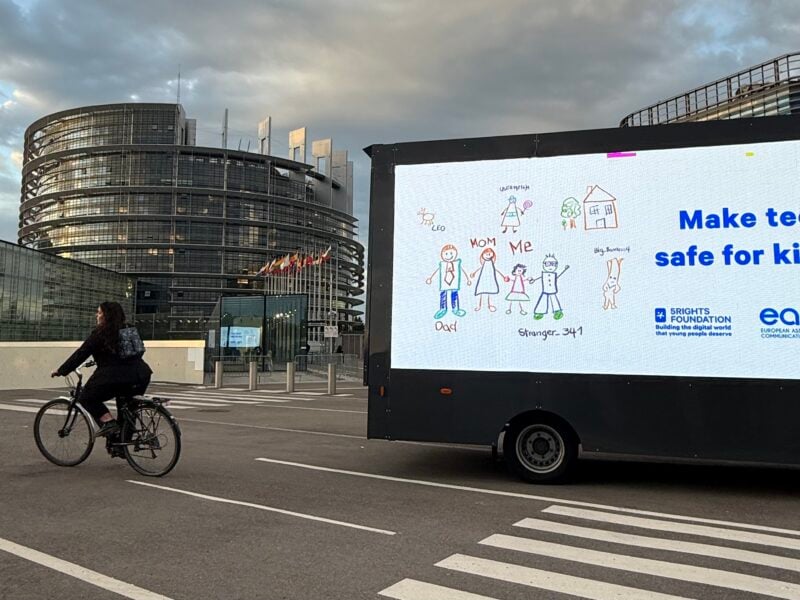
Childhood Redrawn: Putting responsibility for tech safety back where it belongs
Leanda Barrington-Leach, Executive Director of 5Rights Foundation, introduces Childhood Redrawn, a campaign building support for tech to be safe for children by design and by default.