
Help us make digital spaces safe for children and young people.
Ofcom’s age-check advice welcome, but raises privacy and fairness concerns
5Rights Foundation has welcomed efforts to make the Government’s proposed social media ban for under-16s workable, while warning that questions remain over privacy, enforcement and the risk of excluding young people.
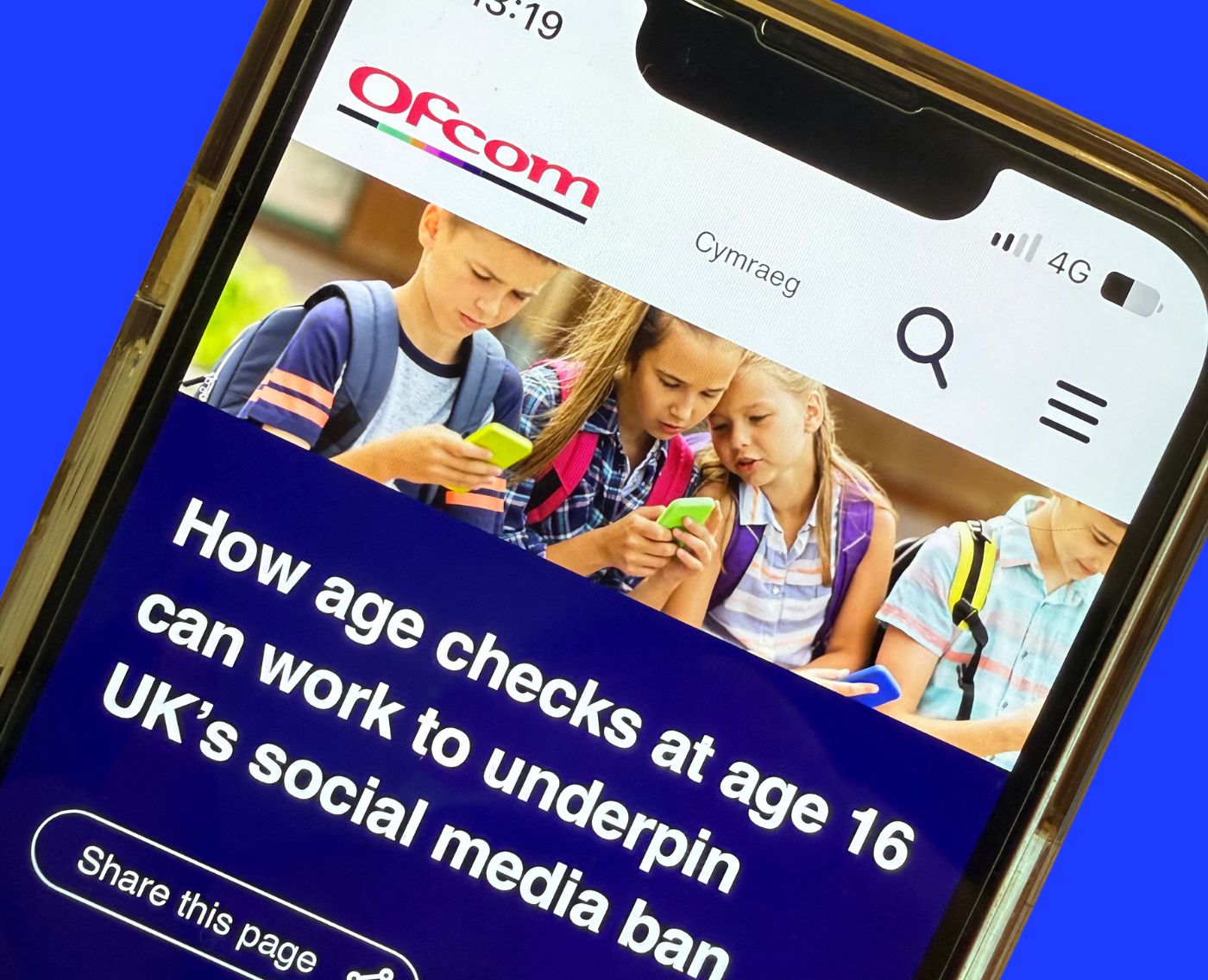
In a statement published today, Ofcom identified four methods it considers capable of being ‘highly effective’ in determining whether someone is aged 16 or over: photo ID matching, digital ID services, banking-based checks and facial age estimation.
The assessment will inform the Government’s plans for restricting under-16s’ access to social media, with detailed rules expected by the end of 2026 and the ban due to come into force next year.
Ofcom acknowledged that fewer age-checking options are available to 16- and 17-year-olds than to adults, and that some methods may require photo identification. Its assessment cites evidence suggesting around 150,000 young people in this age group have neither a passport nor a driving licence, raising questions about accessibility and fairness.
The proposed checks also involve processing personal data, potentially including facial images and biometric information. While Ofcom says age assurance can be implemented in ways that protect privacy, childs rights advocates are cllaing for greater clarity on how Ofcom will deliver transparency, safeguards and effective regulatory oversight. The regulator also acknowledged that no age-checking method can entirely prevent children from bypassing restrictions.
Colette Collins-Walsh, Head of UK Affairs at 5Rights Foundation, said:
“Age assurance has an important role to play in protecting children online, and we welcome efforts to make the Government’s proposals workable. But serious questions remain about privacy, enforcement and the mixed message of asking children to share images of themselves with online services, when we rightly warn them about the risks of doing so. Ofcom also acknowledges that the proposed approach could disadvantage young people who lack suitable ID.
“These challenges demonstrate why age assurance alone cannot keep children safe. We need systemic changes to how platforms are designed and operated, so that safety is built in by default, not left at the gate.”