
Help us make digital spaces safe for children and young people.
Children’s groups call on UK Government to tackle root causes of online harm
As the UK Government prepares to conclude a major consultation into children’s digital wellbeing, 25 of the UK’s leading children’s organisations have released a joint statement warning that the UK is failing to tackle the root causes of online harm and calling for decisive action that delivers meaningful change for children.

The Children’s Coalition for Online Safety, which is led by 5Rights Foundation and includes organisations like the NSPCC and Girlguiding, has published a joint statement calling for a fundamental shift in how online safety is delivered, moving beyond putting responsibility on children and their parents, or a focus on blanket bans, to address the underlying business models and product design choices that pose significant risks to children’s health and wellbeing.
Warning that a narrow focusing narrowly only on age limits or specific features risks overlooking the deeper structural drivers of harm, the coalition is urging the Government to adopt four priority measures:
- Remove incentives for harmful design: As attention-driven business models are a root cause of harm, there should be a ban on targeted advertising, profiling, and manipulative design features in services. As a first step, the Government should embed the Age-Appropriate Design Code (AADC) in primary legislation.
- Age-appropriate design across the digital environment: A risk-based, graduated approach that ensures children’s online experiences evolve with age and maturity, avoiding a “cliff edge” for harmful practices or content, applied not just to social media, but also AI chatbots, connected toys, edtech and gaming. A ban on personalised services for under 13s. Default privacy and safety protections which cannot be disabled, especially for under-16s. Business disruption measures and senior management accountability for tech firms that fall short.
- Regulate AI systems rigorously: Mandatory child-focused risk assessments, product testing, and safeguards built into AI systems from the outset.
- Appoint an independent Online Safety Commissioner: To set and test standards, build coordination between regulators, champion children’s rights, and ensure that policy delivers real-world improvements in children’s wellbeing, strengthening leadership and accountability.
The group also emphasised the importance of children being meaningfully included in the design of online services and policy decisions and called for all proposed measures that follow the government’s consultation to undergo a full Child Rights Impact Assessment.
The statement is backed by a wide range of organisations working with and for children, including the Internet Watch Foundation, Catch22, Plan International UK and the Anti-Bullying Alliance, alongside leading experts in online safety and child development.
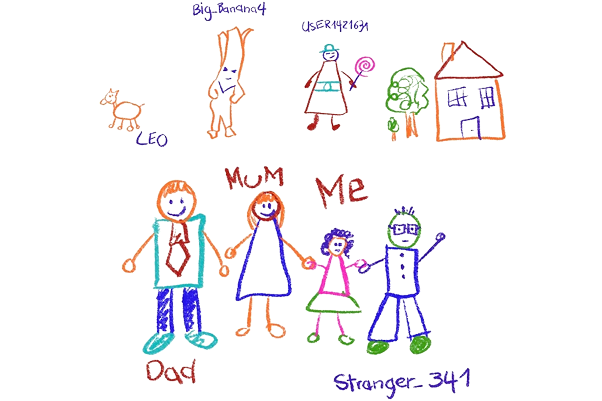
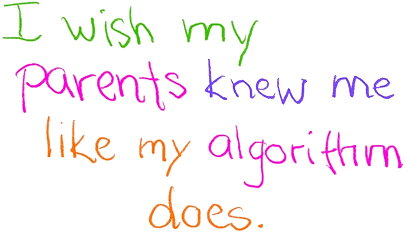
To raise awareness of these issues and increase support for decisive action, 5Rights and the European Association of Communication Agencies (EACA) has launched a new advertising campaign across the UK and Europe. The ‘Childhood Redrawn’ campaign draws on the daily lived experience of children and young people with simple but poignant images that highlight the issues created by harmful design, from addiction, to privacy, and risks from strangers. The associated petition calls on leaders to make tech safe for kids with specific interventions that will put responsibility back onto tech companies.
Leanda Barrington-Leach, Executive Director at 5Rights Foundation said:
“We will not fix this by tinkering around the edges – by tweaking features or relying on age limits alone. The issue is not a single product or setting; it is built into the system itself, into business models and design choices that prioritise engagement, data extraction and profit over children’s wellbeing.
“If a product were unsafe for children offline, it would not be allowed onto the market. We must insist on this same logic online. The onus must be on these businesses to demonstrate that their services are safe for children and not on parents or children to navigate or manage that risk themselves.”