
Help us make digital spaces safe for children and young people.
Mexico strengthens online protections for children following 5Rights’ research
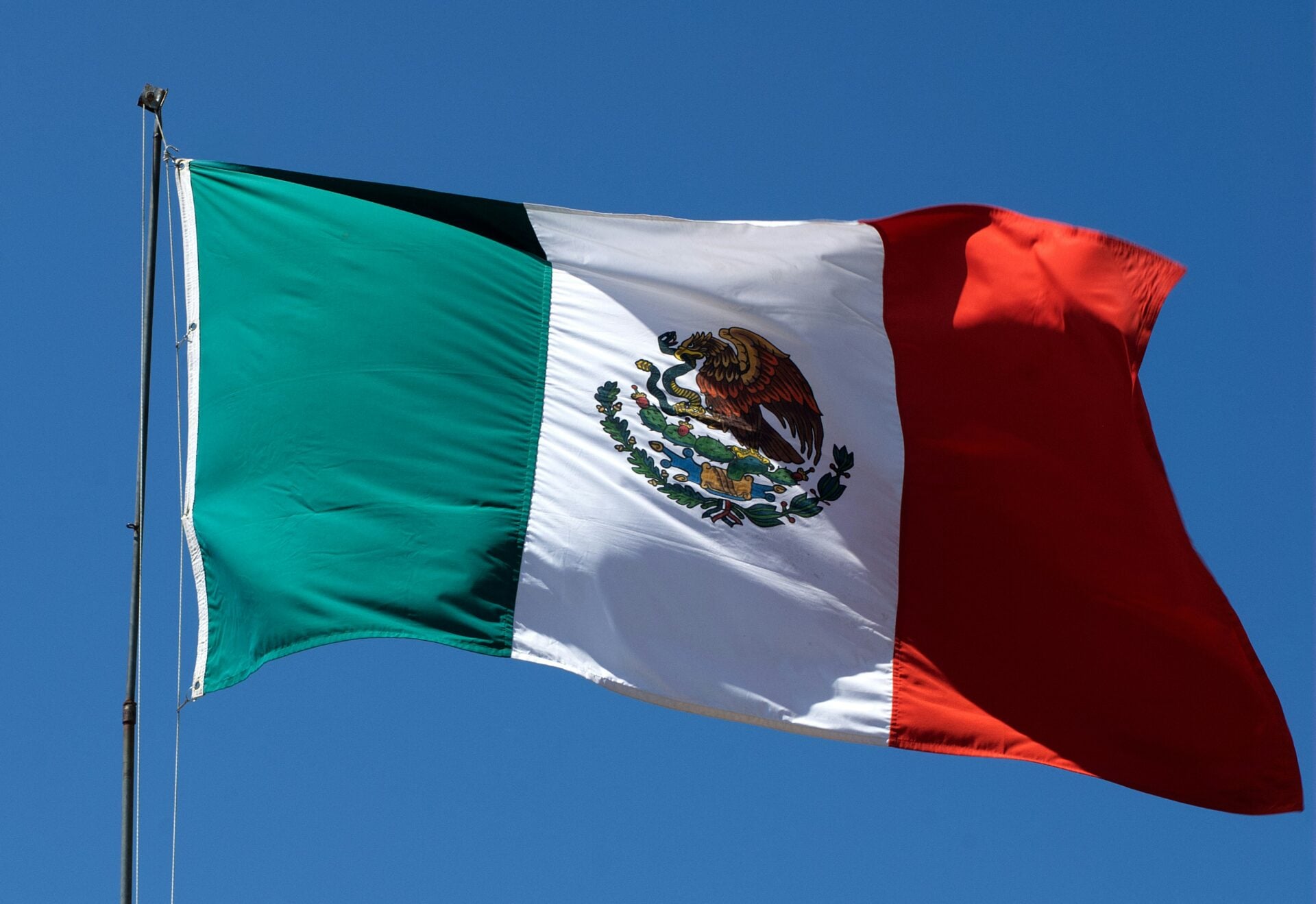
Mexico’s new Decree on Safe Digital Environments for Children and Adolescents introduces important protections against harmful design and requires platforms to take greater responsibility for children’s safety.
In research published earlier this year, 5Rights Foundation, in partnership with Mexico’s National Institute of Public Health and Revealing Reality, found that TikTok, Instagram, and X promoted violent, sexualised and emotionally harmful content to simulated child accounts within minutes of ordinary uses. Despite tech companies’ public safety commitments, the findings exposed how their design decisions, commercial incentives, and recommendation systems can rapidly direct children towards harm.
Now, Mexico has introduced new rules requiring digital platforms to take greater responsibility for protecting children online. Published on 14 October 2026, the Decree on Safe Digital Environments for Children and Adolescents establishes new obligations around safety by design, risk assessments, harmful content, and age verification.
What the new rules require
The decree applies to a broad range of digital platforms, demanding social media, video games and app stores to guarantee children’s safety and privacy by design and default, including by regularly assessing the risks their design, features, and recommendation systems may expose children to.
Addressing some of the risks identified in 5Rights research, the Decree also requires tech companies to implement robust age-verification mechanisms instead of relying on easily bypassed self-declaration, and specifically prohibits them from recommending or exposing children to content promoting cyberbullying, sexual abuse and exploitation, hate speech, violent extremism, pornography, suicide and self-harm.
This is a crucial step towards a safer digital environment for children. Now, robust enforcement mechanisms must be established as Digital Futures for Children centre research shows that tech companies change their practices only when they are forced to do so.
5 Rights Head of International Affairs, Marie-Ève Nadeau, said:
“Mexico’s new rules are an opportunity to move towards a digital environment that respects children’s safety and privacy from the outset. The priority now must be ensuring that platforms are held accountable and that these protections translate into meaningful change.”
This is a crucial step towards a safer digital environment for children. Now, robust enforcement mechanisms must be established as Digital Futures for Children centre research shows that tech companies change their practices only when they are forced to do so.