
Help us make digital spaces safe for children and young people.
EU says tech firms must prove safety before accessing children
European Commission President Ursula von der Leyen says the days of children and parents managing platform risk are ending – safety will need to be proven upfront.
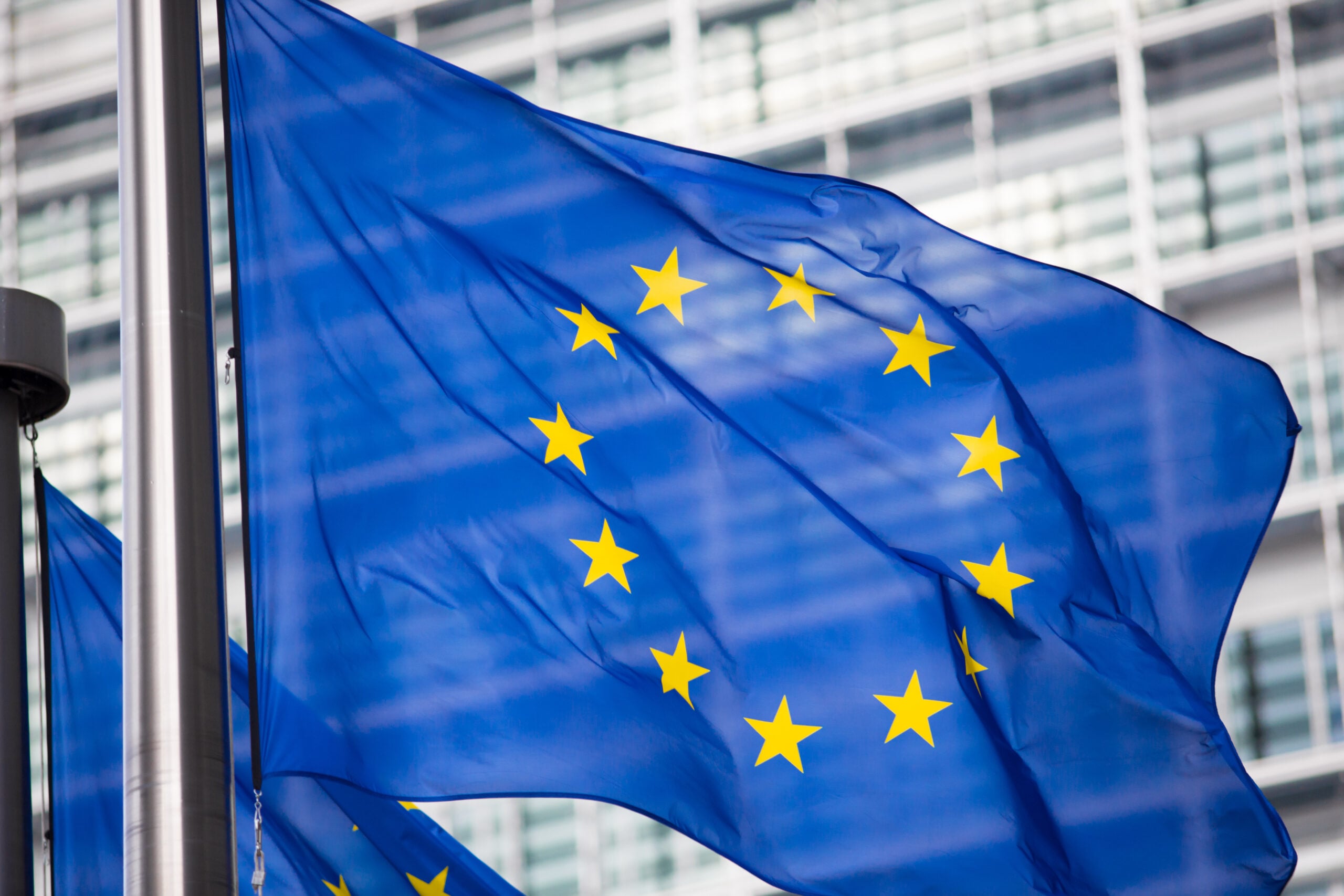
The European Commission has signalled a major shift in its approach to children’s online safety, with Commission President Ursula von der Leyen declaring that technology companies should be required to demonstrate their products are safe before they can access children.
Following the publication of the Special Panel’s report on protecting children online, von der Leyen said platforms should bear greater responsibility for preventing harm through safety by design, rather than relying on children and parents to manage online risks themselves. She also indicated that forthcoming proposals could extend beyond traditional social media to a broader range of digital services with addictive or harmful features, describing the approach as “social media plus”.
The Special Panel report is grounded in children’s rights, safety by design and age-appropriate design approaches. It clearly recommends a “shift in the burden of proof to social media and other digital services providers to demonstrate that their products and services are safe for minors”, as well as to take into account evolving capacities of children, as “13 to 18-year-olds get access to evolving autonomous use for adolescents online”. The recommendations go beyond social media, as the Co-chairs propose a ‘social media +’ definition based on risky features that can include risky AI systems and video games.
5Rights Foundation participated in all three meetings of the Special Panel and has made the case for a tech-neutral approach that respects children’s rights and prevents companies from accessing them if they risk exploitation and harm. As the Chair of the EU Coalition for Children’s Rights Online and through a broad network of organisations and experts, 5Rights has gathered a coalition of more than 170 members to support this approach. Responding to the announcement and the publication of the report, 5Rights Foundation welcomed the direction of travel, saying it reflected a fundamental shift in how responsibility for children’s online safety is understood.
However, while the report calls for an EU-wide approach, it leaves the door open to “additional precautionary access restrictions” at the national level. For 5Rights Foundation, European children are entitled to the same level of rights and protection, and a harmonised approach, grounded in evidence and in children’s rights, is needed at the EU level.
The Commission is expected to consider the recommendation in the report and follow through with a legislative proposal in September.
Leanda Barrington-Leach, Executive Director of at 5Rights Foundation said,
“The conversation has clearly moved from asking children and parents to manage risk to requiring that platforms are safe and age appropriate before they can access children. This is a shift in the burden of proof and a win for children’s rights.
“We have long argued that safety by design and age-appropriate design must be at the heart of any future proposal, and that they must apply beyond social media to all digital services and products accessible to children. It seems we have been heard.”