
Help us make digital spaces safe for children and young people.
5Rights speaks at opening of Lost Screen Memorial in European Parliament as EU considers stronger online protections
The Lost Screen Memorial brings the stories of children affected by online harms to the European Parliament, as policymakers consider what meaningful action is needed to make technology safer for children.
Brussels, Belgium — [10th Nov] — A memorial honouring children who died after experiencing online harms has been inaugurated at the European Parliament, bringing the experiences of bereaved families into the heart of the EU as lawmakers consider new measures to strengthen child safety in digital spaces.
The Lost Screen Memorial created by Archewell Philanthropies and hosted by the European Parliament, was unveiled today in an event hosted by MEP Antonio López-Istúriz White, First Vice Chair of the EP’s Intergroup for Children’s Rights. The Memorial will remain on display until Friday 13 November.
Through the stories of families who have suffered devastating losses, it draws attention to the ways technology design, governance decisions, and inadequate safeguards can expose children to serious and preventable risks.
The inauguration included contributions from European Parliament President Roberta Metsola and the families of children affected and was followed by a high-level panel including European Commissioner Dubravka Šuica, MEP Antonio López-Istúriz White, the Duke of Sussex, the Executive Director of 5Rights Foundation, alongside MEPs and experts on children’s online safety.
5Rights Foundation has worked to ensure that the experiences of children and families affected by online harms are visible as European policymakers consider the next steps in strengthening protections for children online.
Announced by European Commission President Ursula von der Leyen in September, the proposed EU KIDS Act would introduce new protections for children using digital services, and tackle design features that can expose children to harm, including addictive features and unsafe recommendation systems.
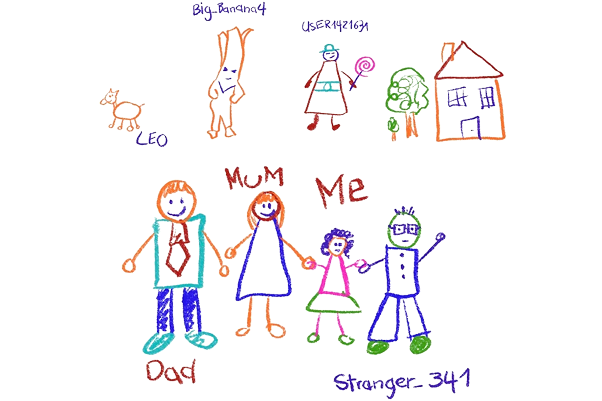
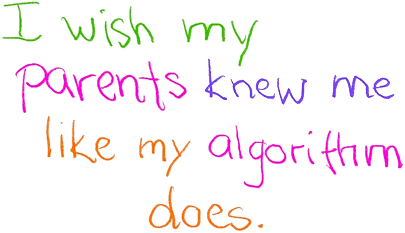
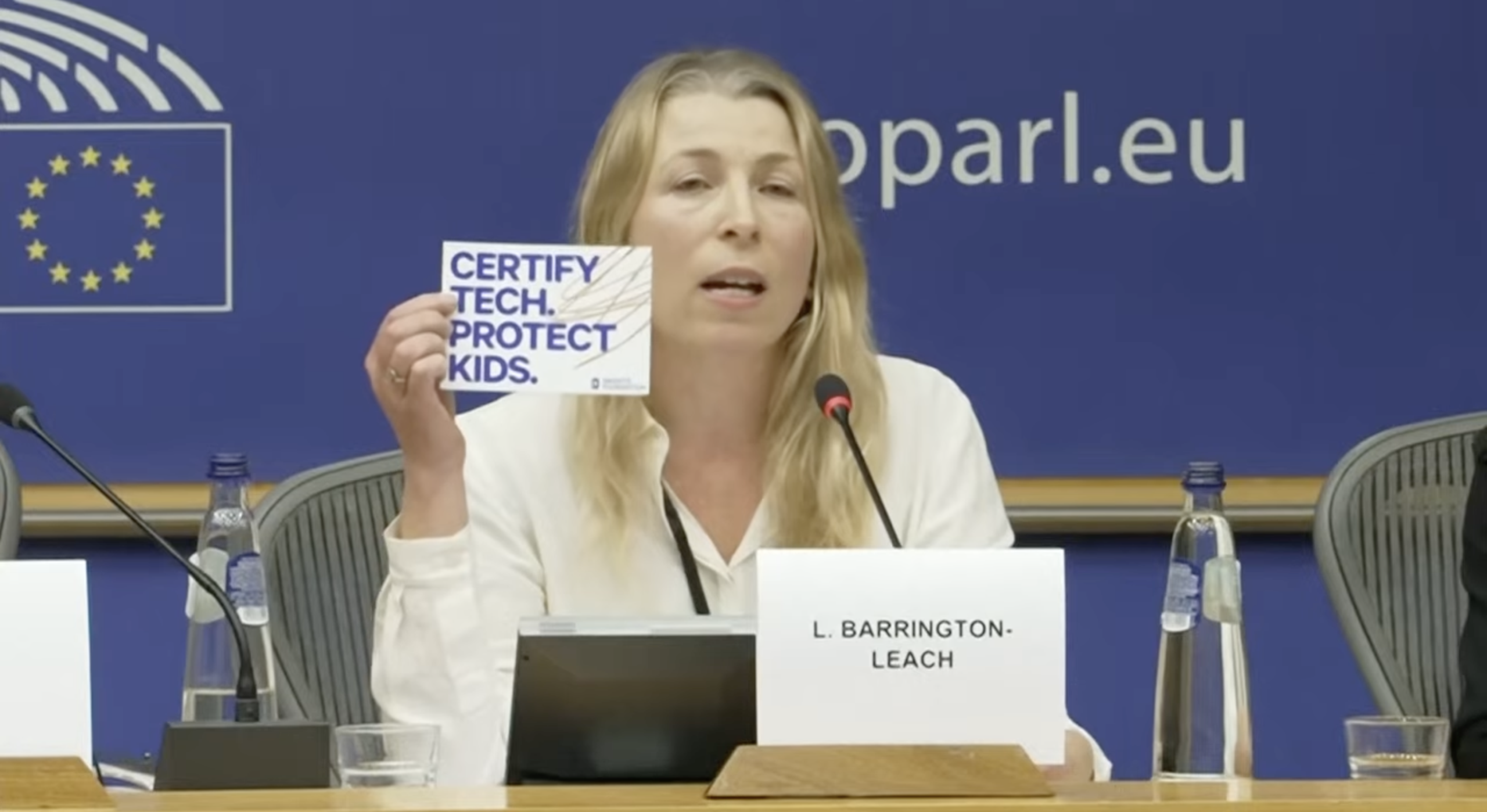
Through the Childhood Redrawn campaign, 5Rights Foundation is calling for responsibility to be put on technology companies rather than children and families by requiring all tech to be independently certified safe for children before it reaches them.
Speaking at a panel discussion following the inauguration of the memorial, the Duke of Sussex said,
“We can no longer trust these companies when they say “it’s complicated”.
“We’ve tried to incentivise these companies to change, that hasn’t worked. We’ve tried to trust them, that hasn’t worked.
“The unified approach – starting with turning the burden of proof on them rather than on parents – is the best place to begin, and the EU KIDS Act is exactly that.
“This whole mission has to be about safety by design. By the time that it is on the phone, in an app, in a kid’s hands, it’s already too late. We all know that and there is no reason why this industry should be treated differently from any other industry.”
Leanda Barrington-Leach, Executive Director of 5Rights Foundation, said:
“This memorial reminds us of the real human cost of how irresponsible and unaccountable tech companies operate.
“These are not data points. These are not statistics. These are children, and their deaths must not be treated as the inevitable consequence of growing up online. Technology design is a choice, and EU lawmakers must choose to ensure technology is certified safe for children before it ever reaches them.”
Antonio López-Istúriz White, MEP and Vice-Chair of the European Parliament Intergroup on Children’s Rights said,
“As lawmakers, we must avoid two temptations, to believe that the law solves a problem the moment that it is adopted, and to believe that technology is too complex to govern. Neither is true.
“Good law requires evidence, implementation, and revision, and complex systems can be governed where there is sufficient political will and cooperationn.
Also speaking at the panel event Evin Incir, MEP and Co-Chair of the European Parliament’s Intergroup on Children’s Rights said,
“We must stop placing the burden of responsibility on children and their parents. Technology companies designed these platforms, determined how their algorithms work and make decisions about environments in which millions of children spend their time.
“They must also therefore take responsibility for the risks their products create. Unfortunately we have seen digital platforms do the opposite.”