
5Rights Youth Ambassadors give evidence to UK Parliamentarians on AI
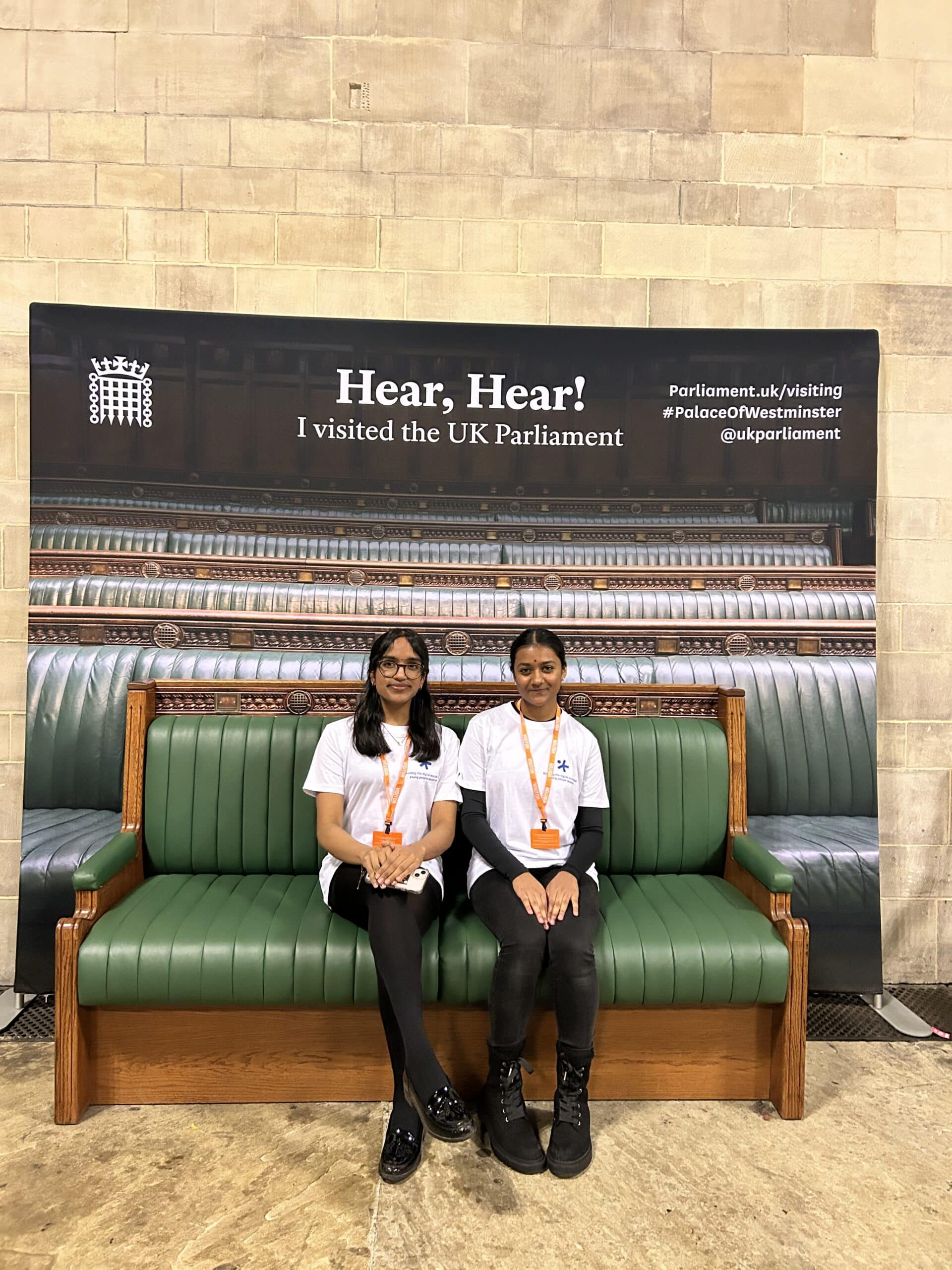
5Rights Youth Ambassadors Eashaa and Niranjana, represented 5Rights at the UK Parliament this week, giving evidence to an inquiry of the All-Party Parliamentary Group (APPG) for Online Safety examining the impact of artificial intelligence on children.
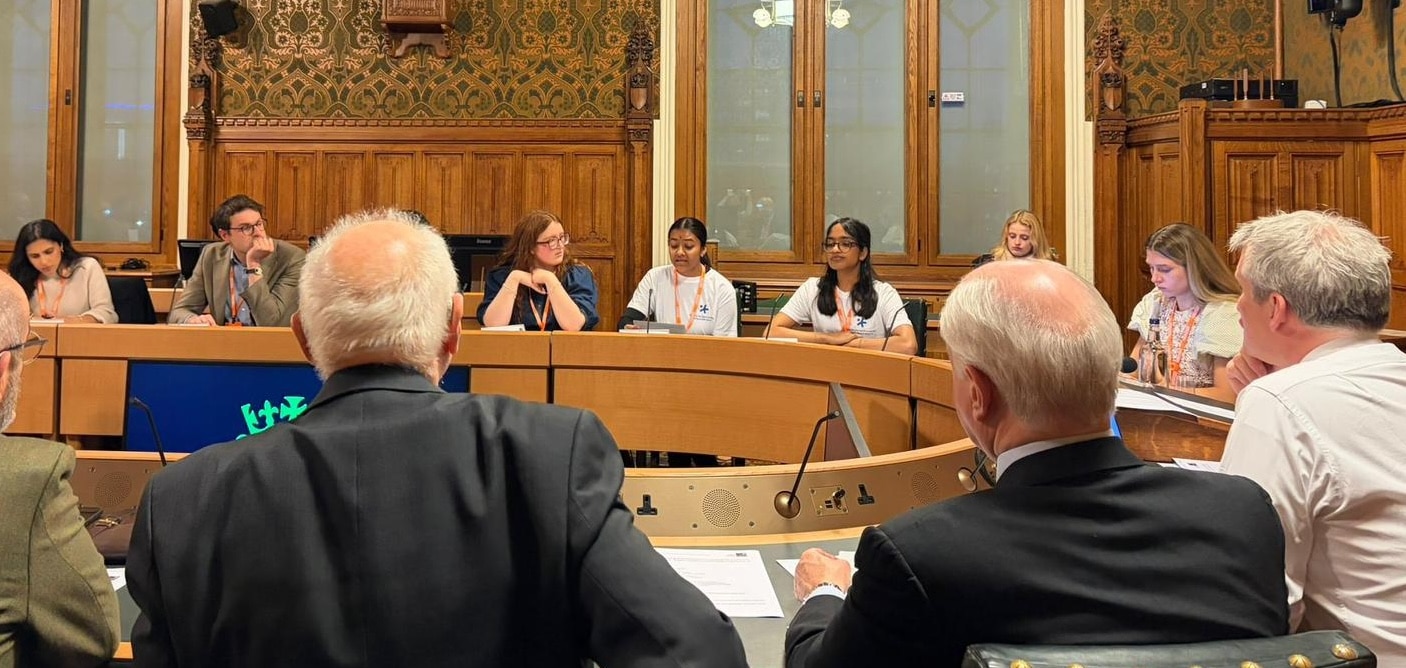
The session, held on Safer Internet Day, brought together young people and leading experts to explore how rapidly advancing AI technologies are shaping children’s digital experiences. The 5Rights ambassadors were joined by young representatives from Childnet, as well as experts from Internet Matters and the LEGO Group.
Giving evidence to a panel of MPs and Peers, both ambassadors spoke candidly about their experiences using AI tools. They shared examples of where AI had supported their learning, creativity and access to information, but also where it had gone wrong – including instances of misleading health advice, incorrect literature references. They spoke of their concerns about what will happen to critical thinking skills if there is over-reliance on automated systems.
“I hope politicians will implement mandatory education about AI usage and the dangers associated with AI in the current school curriculum. I also wish politicians would hold technology companies accountable for deepfakes as it makes the internet unsafe particularly for girls like myself.”
Eashaa, 17, 5Rights Youth Ambassador
“Good solutions start with the right questions and when it comes to AI, those questions must have children’s safety in mind. It all starts with the right education and awareness about AI so that we feel empowered to make informed and better decisions.”
Niranjana, 15, 5Rights Youth Ambassador
The ambassadors highlighted the urgent need for children to be better equipped to navigate AI-driven environments. They emphasised the importance of meaningful digital education, calling for schools to teach young people not only how to use AI tools safely, but how AI systems work, how they generate responses, and what their limitations are.
They also raised concerns about transparency and data use, stressing that children and young people deserve clear information about how their data is collected, processed and used by AI systems. Greater accountability from technology companies, they argued, is essential to building trust and ensuring children’s rights are respected in AI design and deployment.
Speaking at a critical moment for AI policy development in the UK, the ambassadors reinforced the message that children must be actively involved in shaping the technologies that affect their lives. Their evidence underscored that protecting children online cannot be an afterthought – it must be embedded from the outset.